A clogged drain is one of those household problems that is easy to ignore when water is still going down slowly.
That small blockage can become a bigger inconvenience when the sink starts filling with water, the shower begins to pool around your feet, or the same drain keeps clogging again and again.
The good news is that some minor blockages can be dealt with using simple methods at home. However, not every clog should be treated as a DIY project.
Knowing what you can safely try, what you should avoid and when to call a professional can help you deal with the problem without making it worse.
Is Your Drain Actually Clogged?
Not every slow drain is completely blocked.
A drain that empties slowly may have a partial blockage, while a drain that holds standing water may have a more significant obstruction.
You should also pay attention to whether the problem affects just one fixture or several drains throughout the property.
One Slow Drain
If only one sink, shower or tub is draining slowly, the blockage may be relatively close to that fixture.
Hair, soap residue, food particles and other debris can accumulate inside the drain over time.
Several Slow Drains
If multiple drains are slow at the same time, the problem may be further down the plumbing system.
Several affected fixtures can be a sign that the blockage is not limited to one individual drain.
A Completely Blocked Drain
When water stops draining altogether, avoid continuing to add water to the fixture.
Standing water can overflow and create unnecessary mess or water damage.
Common Causes of Clogged Drains
Different drains tend to collect different types of debris.
Kitchen Sink Clogs
Kitchen sinks commonly collect food particles, grease and other material that can build up inside the drain.
Even when a small amount of grease seems harmless, repeated disposal down the sink can contribute to a blockage over time.
Bathroom Sink Clogs
Bathroom sinks often collect hair, soap residue, toothpaste and other debris.
Because the opening is relatively small, buildup can gradually reduce the amount of water that can pass through.
Shower and Bathtub Drains
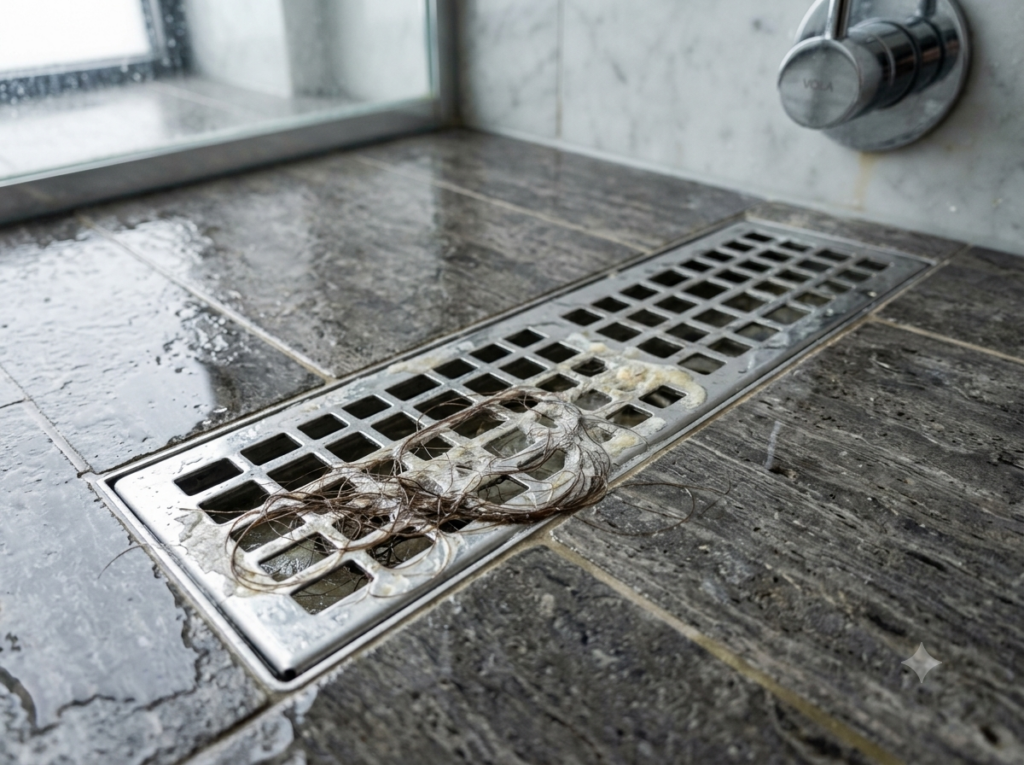
Hair is one of the most common causes of slow shower and bathtub drains.
Soap residue can also combine with hair and other debris, creating a blockage that gradually becomes worse.
Toilet Clogs
Toilet blockages can be caused by excessive toilet paper or objects that should not have been flushed.
Some items may appear flushable but can create problems further down the plumbing system.
If a toilet repeatedly blocks despite being cleared, there may be a deeper issue that needs professional attention.
What You Can Safely Try Yourself
For a minor blockage, there are a few things you can try before calling a plumber.
Remove Visible Debris
If you can see hair or debris near the drain opening, carefully remove it.
For a shower or bathtub drain, this may be enough to restore normal flow if the blockage is close to the surface.
Try a Plunger
A properly sized plunger can sometimes clear a simple blockage.
Make sure there is enough water in the fixture to create a seal around the plunger.
Use controlled plunging rather than excessive force.
If the blockage does not clear after reasonable attempts, avoid repeatedly forcing the issue.
Clean an Accessible Drain Trap
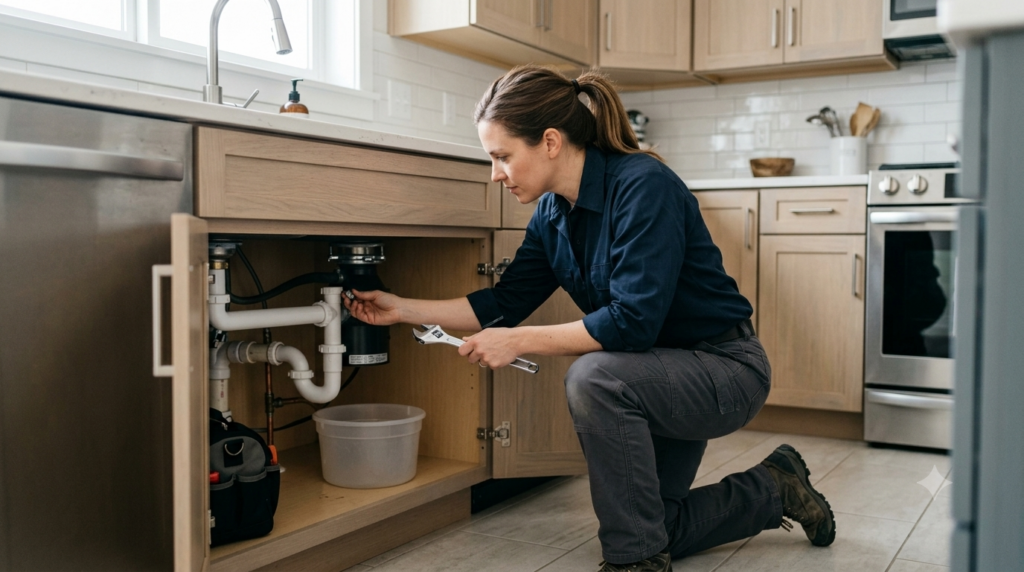
For some sink blockages, the trap beneath the sink may contain accumulated debris.
If you are comfortable doing so, you may be able to remove and clean an accessible trap.
Place a suitable container underneath first to catch any water.
If the connections are old, damaged or difficult to loosen, it is better not to force them.
Check Whether Other Fixtures Are Affected
Run water briefly at another nearby fixture and observe how it drains.
This can help you determine whether you are dealing with an isolated fixture problem or something affecting a larger part of the plumbing system.
What You Should Avoid Doing
Some common DIY approaches can create more problems than they solve.
Don’t Keep Pouring Chemical Drain Cleaner Into a Persistent Clog
Chemical drain cleaners may seem like an easy solution, but they are not appropriate for every plumbing system or every type of blockage.
If the product does not clear the blockage, chemicals can remain inside the plumbing.
This can create a hazard for anyone who later needs to work on the drain.
If a drain remains blocked after basic methods have failed, professional assessment is usually a better approach than repeatedly adding chemicals.
Don’t Use Excessive Force
Aggressive plunging or forcing tools into a drain can potentially damage older or fragile plumbing.
If a blockage does not respond to reasonable attempts, stop and consider professional help.
Don’t Keep Using a Drain That Is Backing Up
If water is repeatedly backing up, continuing to use the fixture can make the situation worse.
This is particularly important when several fixtures are affected.
When Should You Call a Plumber?
A minor blockage that clears easily may not require professional attention.
However, certain signs suggest that it is time to have the drain properly assessed.
Consider contacting a plumber if:
- The blockage does not clear after reasonable DIY attempts
- The same drain keeps becoming clogged
- Several drains are slow or backing up
- Water backs up into another fixture
- You notice foul or unusual smells coming from the drain
- Your toilet repeatedly blocks
- You hear gurgling sounds from drains or toilets
- The problem appears to be getting worse
Recurring problems are particularly important.
Clearing the visible blockage may provide temporary relief, but if the underlying cause remains, the problem can return.
What Does a Recurring Clog Mean?
A drain that repeatedly becomes blocked may have a deeper problem than a simple accumulation of hair or food debris.
There could be buildup further along the pipe, a damaged section of plumbing or another restriction affecting the flow.
Why Clearing the Clog May Not Be Enough
Imagine clearing a narrow section of a pipe without addressing a larger restriction further along the system.
Water may flow normally for a while, but the same symptoms can eventually return.
If a drain repeatedly needs attention, identifying the reason for the recurring blockage can be more useful than simply clearing it each time.
What About Multiple Drains Backing Up?
Multiple affected fixtures deserve particular attention.
If your kitchen sink, bathroom sink, shower or toilet are all experiencing drainage problems around the same time, the issue may be further down the plumbing system.
Watch for These Signs
Pay attention to:
- Several slow drains
- Water backing up in another fixture
- Gurgling sounds
- Unusual drain odours
- Toilets behaving differently when another fixture is used
These symptoms can indicate that the problem is not isolated to one drain.
If several fixtures are affected, professional drain assessment is recommended.
How Professional Drain Cleaning Works
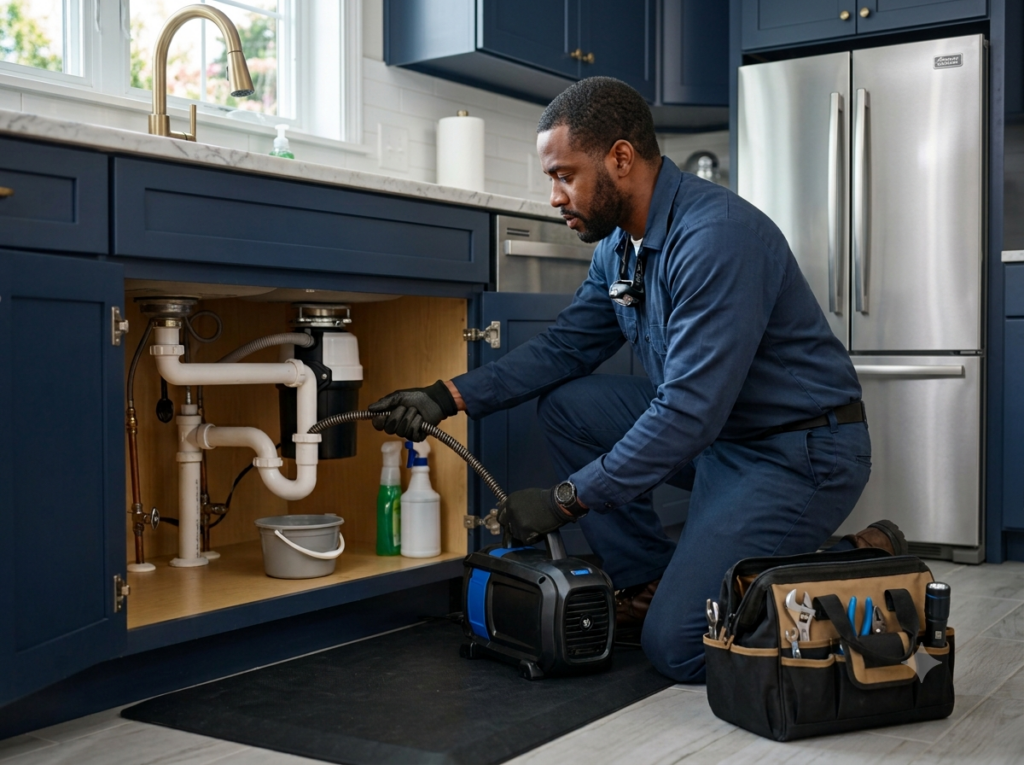
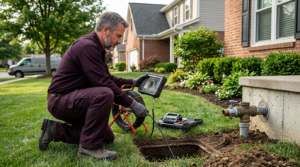
When a basic blockage cannot be cleared, a professional plumber can assess the situation and determine the appropriate approach.
The exact method depends on the type and location of the blockage.
A plumber may first inspect the affected fixtures and ask about the history of the problem.
Depending on the situation, specialised equipment may be used to clear the blockage and, where necessary, investigate what is causing it.
The goal should be more than simply getting water moving again.
If a drain repeatedly blocks, understanding why the problem keeps happening can help prevent the same issue from returning.
How to Prevent Clogged Drains
A few simple habits can reduce the likelihood of future blockages.
Keep Food and Grease Out of Kitchen Drains
Avoid putting large amounts of food waste or grease down the kitchen sink.
Use an appropriate strainer to catch food particles before they enter the drain.
Use a Hair Catcher
A simple drain cover or hair catcher can prevent hair from entering shower and bathtub drains.
Empty it regularly rather than allowing the collected hair to wash through.
Be Careful What You Flush
Toilets are designed for waste and toilet paper.
Avoid flushing items that can contribute to blockages, even if they are marketed as flushable, unless they are specifically appropriate for your plumbing system and local wastewater requirements.
Pay Attention to Slow Drains
A slow drain can be an early warning sign.
If water is taking noticeably longer to disappear, addressing the problem early may prevent a more significant blockage later.
Should You Use Boiling Water to Clear a Drain?
Boiling water is sometimes recommended as a simple DIY drain treatment.
However, pouring extremely hot or boiling water into a drain is not appropriate for every plumbing system.
Some pipes, connections and fixtures may not tolerate extreme temperatures well.
If you are unsure what type of plumbing your home has, avoid experimenting with very hot water and use safer methods or seek professional advice.