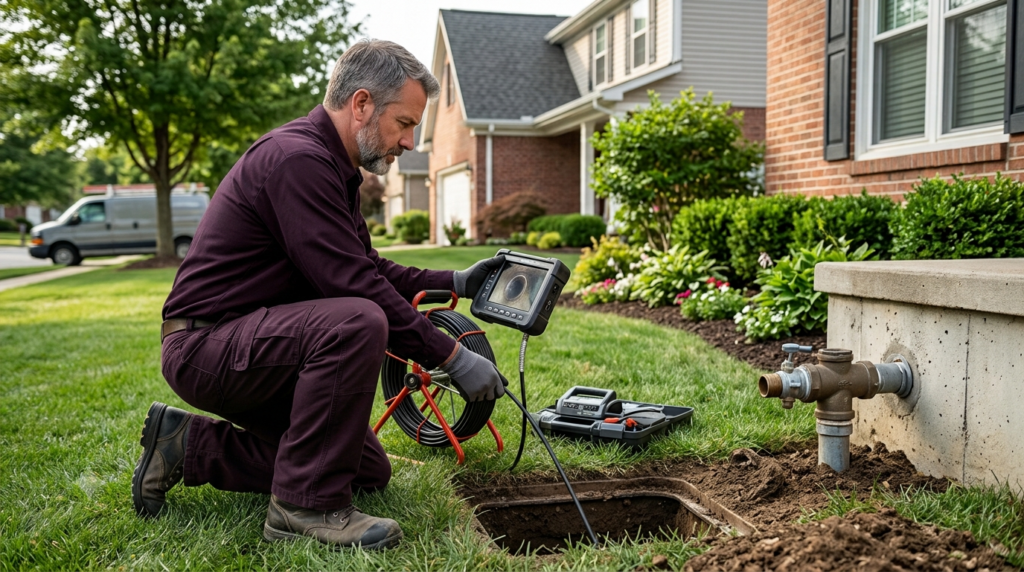
Most homeowners don’t think much about the sewer line beneath their property until something goes wrong.
Unlike a clogged sink or toilet, a sewer line problem can affect multiple fixtures throughout your home. The first signs may be relatively subtle, such as a drain that keeps slowing down or an unusual smell that seems to have no obvious source.
As the problem develops, you may notice repeated backups, gurgling toilets or water appearing in places where it shouldn’t.
Recognising these warning signs early can help you address a potential sewer problem before it becomes a much more disruptive and expensive issue.
Here are six signs that your sewer line may need professional attention.
1. Multiple Drains Are Slow or Backing Up
One slow drain does not necessarily mean there is a problem with your main sewer line.
However, when several drains throughout the home begin slowing down at approximately the same time, it is worth paying closer attention.
Why Multiple Drains Matter
Your home’s individual fixtures connect to a larger drainage system.
If a blockage or restriction develops further down the system, it can affect more than one fixture.
You may notice that the kitchen sink is draining slowly while the bathtub or shower is also taking longer to empty.
In more serious cases, water may back up into another fixture when you run water somewhere else in the house.
Multiple affected drains are a good reason to have the plumbing assessed rather than repeatedly treating each drain as an isolated blockage.
2. Your Toilet Keeps Gurgling
A toilet that makes unusual gurgling sounds can be another warning sign.
You may hear bubbling or gurgling when the toilet is flushed, or even when another fixture in the home is being used.
What Could Cause It?
Gurgling can occur when air is being displaced within the drainage system.
There are several possible causes, including drainage restrictions or ventilation problems.
If the gurgling is recurring and occurs alongside slow drains, backups or unusual smells, the wider drainage system should be investigated.
A single isolated gurgle does not automatically mean you have a sewer line problem, but repeated symptoms deserve attention.
3. You Notice a Persistent Sewer Smell
A persistent sewage smell inside or around your property should not be ignored.
A properly functioning drainage system should contain sewer gases and prevent them from entering your living spaces.
Where Might the Smell Come From?
There are several possible sources of an unpleasant sewer odour.
A dry drain trap, damaged pipe, blocked vent or another plumbing issue can allow unpleasant smells to become noticeable.
If the smell is persistent or is accompanied by drainage problems, professional investigation can help determine where it is coming from.
Don’t simply try to mask the smell with air fresheners.
The important question is why the smell is occurring in the first place.
4. Your Drains Keep Getting Clogged
An occasional clogged sink or shower drain is fairly common.
A drain that repeatedly becomes blocked despite being cleared may be telling you something more important.
When Recurring Clogs Become Concerning
If the same drain keeps clogging, there may be buildup or a restriction somewhere further along the pipe.
If multiple fixtures are experiencing recurring blockages, the issue may be located further down the drainage system.
Repeatedly using drain cleaning products may temporarily improve the symptoms without addressing the underlying cause.
If the problem keeps returning, professional assessment can help determine what is actually happening within the drainage system.
5. You Notice Unusual Wet or Green Areas in the Yard
Problems with an underground sewer line are not always visible inside the house.
In some situations, changes outside the property can provide clues.
What Should You Look For?
Keep an eye out for areas of the garden or yard that appear unusually wet or unusually lush compared with surrounding areas.
Unexpected depressions in the ground or changes in vegetation can also deserve attention.
These signs can have many possible causes, including normal drainage and weather conditions, so they do not automatically mean the sewer line is damaged.
However, when outdoor changes occur alongside slow drains, odours or recurring backups, they are worth investigating.
6. Sewage Is Backing Up Into Your Home
Sewage backing up into a sink, bathtub, shower or floor drain is one of the clearest warning signs of a serious drainage problem.
This is not something to ignore.
What Should You Do?
Stop using water wherever possible.
Avoid flushing toilets, running washing machines or using sinks if doing so appears to make the backup worse.
Keep children and pets away from contaminated water.
Sewage can contain harmful contaminants, so avoid unnecessary contact.
Contact a qualified plumbing professional as soon as possible so the cause of the backup can be identified and addressed.
What Causes Sewer Line Problems?
Sewer line problems can develop for several different reasons.
Tree Roots
Tree roots naturally seek sources of water.
If roots reach a damaged or vulnerable section of underground sewer pipe, they can enter the line and interfere with drainage.
Aging Pipes
Older sewer lines can deteriorate over time.
Depending on the material and condition of the pipe, aging can contribute to cracks, corrosion, joint problems or other failures.
Ground Movement
Changes in the ground surrounding an underground pipe can put stress on the sewer line.
Settlement, shifting soil and other ground conditions can potentially affect the position or condition of buried plumbing.
Blockages
A sewer line can become restricted by accumulated debris or other material.
A blockage that develops further down the drainage system can affect multiple fixtures throughout the property.
Is a Sewer Line Problem the Same as a Clogged Drain?
Not necessarily.
A clogged drain usually refers to a blockage affecting an individual fixture or a relatively local section of plumbing.
A sewer line problem involves the larger drainage system that carries wastewater away from the property.
The symptoms can sometimes look similar, particularly at the beginning.
The difference is why professional diagnosis can be important when a problem keeps returning or affects multiple fixtures.
Can You Prevent Sewer Line Problems?

You cannot prevent every sewer line issue, but there are steps that can reduce unnecessary strain on your drainage system.
Be Careful What Goes Down Your Drains
Avoid putting inappropriate materials down sinks and toilets.
Grease, large amounts of food waste and other unsuitable materials can contribute to blockages.
Be Careful With What You Flush
Toilets should not be treated like rubbish bins.
Items that do not break down appropriately can contribute to drainage problems further along the system.
Pay Attention to Recurring Problems
A recurring blockage is worth investigating.
If you continually experience the same drainage problem, don’t assume it is simply bad luck.
Repeated symptoms can provide an early warning that something further down the system needs attention.
Consider the Trees Around Your Property
Large trees near underground plumbing may be worth considering when assessing the risk of root intrusion.
This does not mean trees need to be removed simply because they are near a sewer line.
However, if you already have recurring drainage problems and mature trees close to the property, it may be useful information for a plumbing professional investigating the issue.
How Is a Sewer Line Problem Diagnosed?
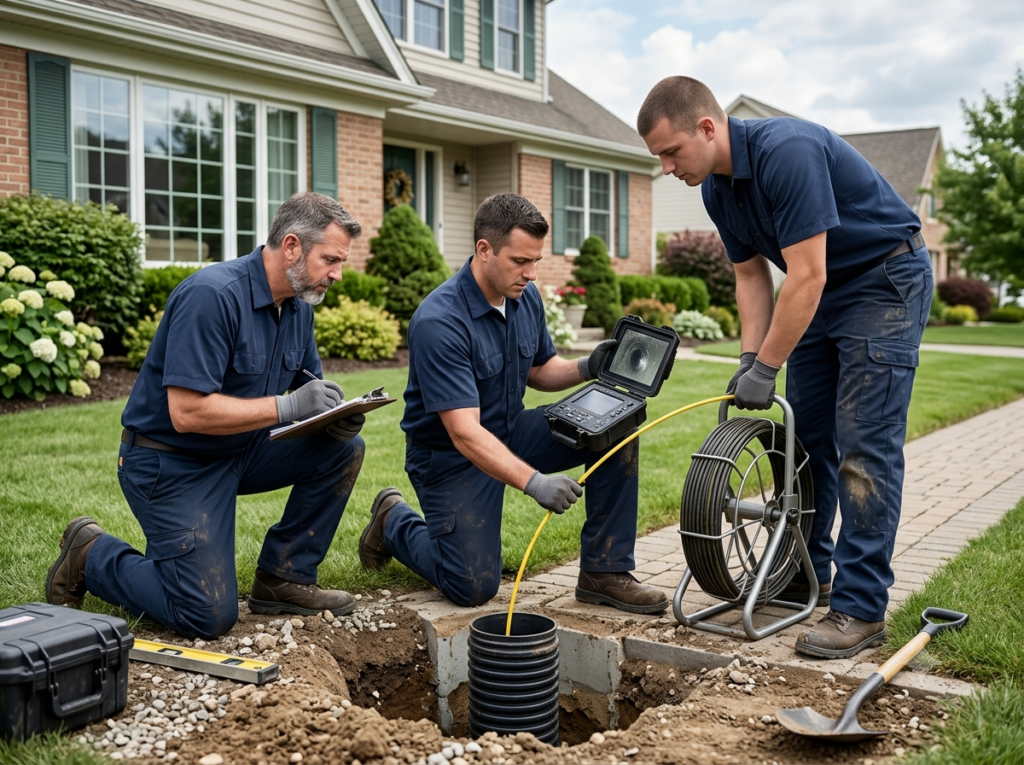
The appropriate diagnostic approach depends on the symptoms and the property.
A plumber will typically begin by asking about the drainage problems you have experienced.
They may inspect accessible plumbing and drainage points and assess whether the issue appears to be isolated or affecting the wider system.
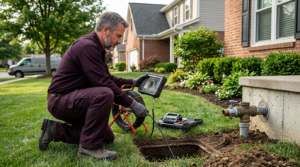
Where necessary, specialised equipment can help investigate problems within underground or inaccessible sections of plumbing.
The purpose of the investigation is to identify the actual cause rather than repeatedly treating the symptoms.
Once the problem has been identified, the appropriate repair or replacement options can be discussed.
When Should You Call a Plumber?
You should consider professional help if you notice:
• Multiple slow or blocked drains
• Repeated toilet backups
• Persistent sewer smells
• Gurgling toilets or drains
• Sewage backing up into your home
• Recurring drainage problems
• Unusual wet or lush areas around your property
• A drainage problem that keeps returning after DIY treatment
Some of these symptoms can have relatively simple explanations.
The important point is that persistent or multiple symptoms deserve proper investigation.
What Happens If You Ignore a Sewer Line Problem?
A small drainage issue may not remain small forever.
If an underlying blockage, damaged pipe or other problem continues to develop, the symptoms can become more disruptive.
A complete blockage could eventually prevent wastewater from leaving the property properly.
In the worst cases, sewage can back up into the home and cause significant disruption and potential property damage.
Addressing warning signs early can give you a better opportunity to understand the problem before it develops into a major emergency.