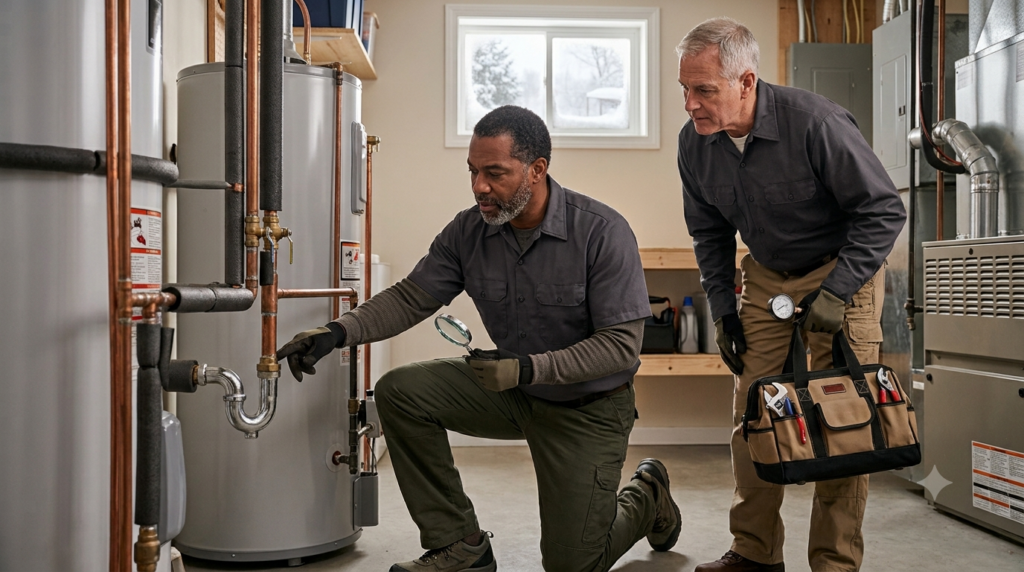
Winter can be hard on a home’s plumbing system.
When temperatures fall below freezing, water inside exposed or poorly protected pipes can freeze and expand. That expansion can put significant pressure on the pipe and, in some circumstances, cause it to crack or burst.
The problem is that the damage may not become obvious until the frozen water begins to thaw.
A burst pipe can release a substantial amount of water into your home, potentially causing damage to walls, floors, ceilings and belongings.
The good news is that there are practical steps homeowners can take before and during cold weather to reduce the risk.
Understanding which pipes are vulnerable, recognising the warning signs and knowing what to do if a pipe freezes can help you protect your home during winter.
Why Do Pipes Freeze?
Water expands when it freezes.
When water inside a pipe turns to ice, the expansion can create pressure within the plumbing system.
A pipe does not necessarily burst at the exact point where the ice forms. Pressure can build between the ice blockage and a closed section of the plumbing system, eventually causing the pipe to crack at a weak point.
Which Pipes Are Most Vulnerable?
Pipes are particularly vulnerable when they are located in areas exposed to cold temperatures.
These can include:
- Pipes in unheated basements or crawl spaces
- Pipes running along exterior walls
- Plumbing in garages
- Pipes in poorly insulated areas
- Outdoor water lines
- Pipes near doors, windows or other areas where cold air can enter
Homes with plumbing in vulnerable areas may need additional protection during periods of particularly cold weather.
How to Prevent Pipes From Freezing
A little preparation before temperatures drop can make a significant difference.
Insulate Exposed Pipes
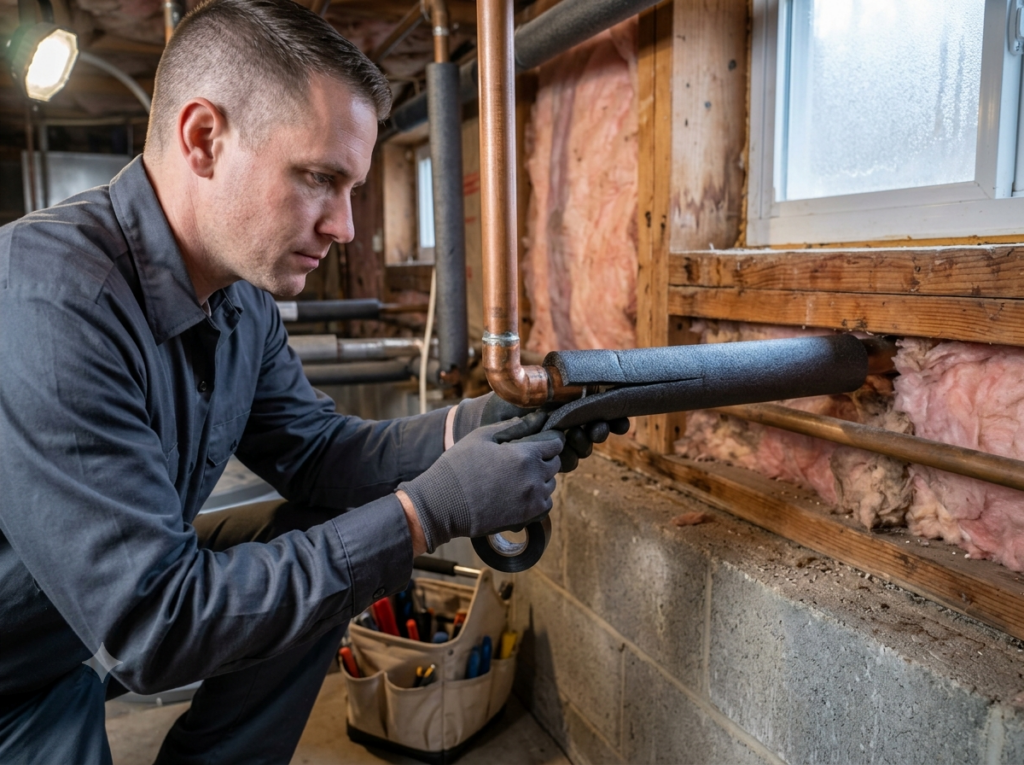
Pipe insulation can help protect vulnerable plumbing from cold temperatures.
Pay particular attention to pipes located in unheated areas such as garages, crawl spaces, attics and basements.
Insulation does not create heat, but it can help slow the rate at which a pipe loses heat.
Keep Your Home Warm
During periods of freezing weather, maintain a consistent indoor temperature.
Avoid turning the heating down excessively simply because certain rooms are not being used.
This is particularly important if plumbing runs through or near those areas.
Open Cabinet Doors
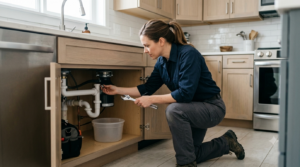
If pipes run inside cabinets beneath kitchen or bathroom sinks, opening the cabinet doors during very cold weather can allow warmer household air to circulate around the plumbing.
This can be particularly useful where the cabinets are located against exterior walls.
Make sure household chemicals and other potentially dangerous products are kept safely away from children and pets.
Seal Areas Where Cold Air Can Enter
Check for noticeable gaps or drafts around windows, doors and other openings near plumbing.
Reducing cold air entering the home can help protect nearby pipes.
Pay particular attention to areas where plumbing passes through exterior walls.
Disconnect Outdoor Hoses
Before freezing temperatures arrive, disconnect garden hoses and store them appropriately.
Where applicable, follow the recommended procedure for winterising outdoor water connections.
Leaving connected hoses or outdoor plumbing exposed to freezing temperatures can increase the risk of damage.
Should You Leave Faucets Running?
You may have heard that leaving a faucet running can help prevent pipes from freezing.
In certain situations, allowing a small amount of water to flow can reduce the likelihood of water remaining completely stationary in vulnerable plumbing.
However, this is not a substitute for properly protecting the plumbing system.
If you are considering leaving water running during severe cold, make sure the approach is appropriate for your home’s plumbing and circumstances.
For properties with known vulnerable plumbing, professional advice can help determine the best preventative measures.
What Are the Warning Signs of a Frozen Pipe?
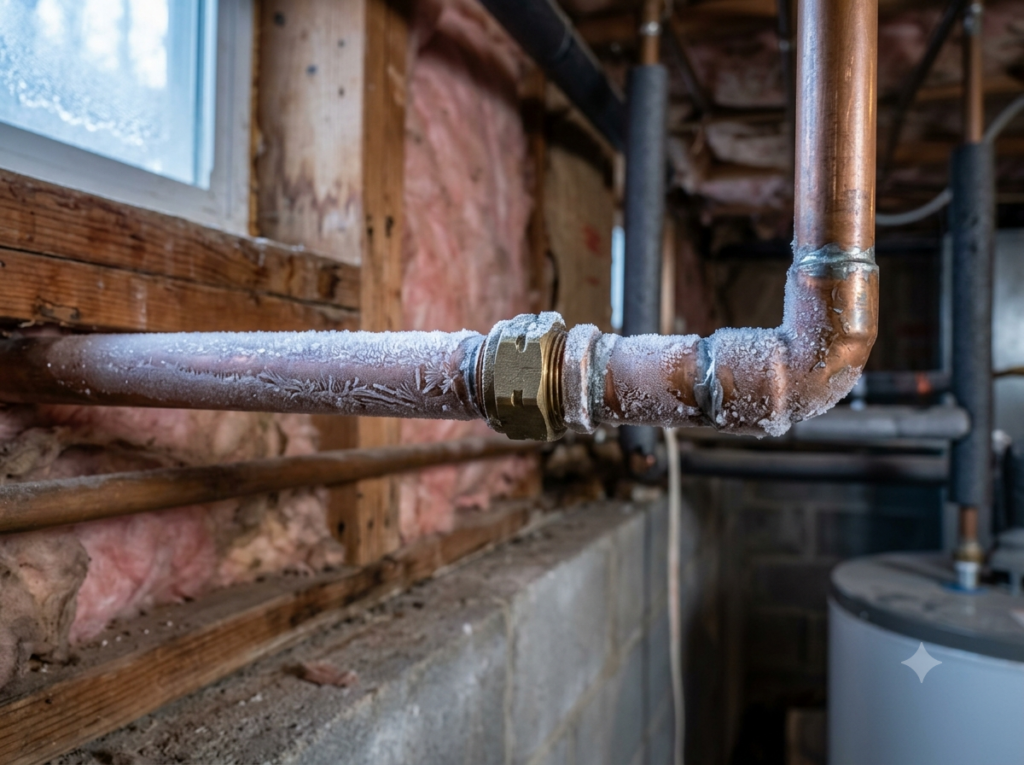
A frozen pipe does not always announce itself immediately.
You may notice changes in your home’s water supply before you see any visible damage.
Watch for:
- Little or no water coming from a faucet
- A noticeable reduction in water pressure
- Frost or ice visible on an exposed pipe
- Unusual sounds when turning on a faucet
- Pipes that appear swollen or damaged
- Water stains or unexpected moisture
- Several fixtures suddenly experiencing reduced water flow
No Water From a Faucet
If you turn on a faucet and little or no water comes out during freezing weather, a frozen section of pipe may be one possible explanation.
Do not assume that the problem is simply a blocked faucet.
If the water supply does not return as temperatures change, professional assessment may be necessary.
What Should You Do If You Think a Pipe Is Frozen?
If you suspect a pipe has frozen, act carefully.
Keep the Faucet Open
If a faucet is connected to the suspected frozen section, opening it slightly can help relieve pressure within the plumbing system.
It also provides an outlet for water if the ice begins to melt.
Identify the Frozen Section
If the affected pipe is visible and accessible, you may be able to identify the section that is exposed to freezing temperatures.
However, do not dismantle walls or floors to search for a frozen pipe.
Warm the Area Gradually
If the frozen section is safely accessible, gentle warming may help thaw the pipe.
Warm the surrounding area gradually.
Avoid using an open flame, blowtorch or other high-intensity heat source.
These methods can create a serious fire risk and may damage the pipe.
Be Ready for a Leak
If the pipe has already cracked, thawing the ice can allow water to escape.
Know where your home’s main water shutoff valve is located so you can shut off the water quickly if a leak appears.
If you discover a burst or leaking pipe, contact a plumber promptly.
What You Should Never Do to Thaw a Frozen Pipe
Trying to thaw a frozen pipe too aggressively can turn a plumbing problem into a safety issue.
Never Use an Open Flame
Do not use a blowtorch, lighter, propane heater or other open flame to thaw a pipe.
The fire risk is not worth it.
Don’t Apply Excessive Heat
High-intensity heat can damage plumbing materials and nearby surfaces.
Use gentle, controlled warming if the pipe is accessible and it is safe to do so.
Don’t Ignore a Frozen Pipe
A frozen pipe can remain under pressure even when no water is currently flowing.
Waiting for the problem to resolve without investigating it can increase the risk of discovering a leak after the pipe thaws.
If you cannot safely identify or address the problem, professional assistance is the safer option.
What If a Frozen Pipe Has Burst?
A burst pipe requires prompt action.
If you discover water escaping from a pipe:
Shut Off the Water
If it is safe to do so, shut off the appropriate water supply.
Knowing the location of your main water shutoff before an emergency occurs can save valuable time.
Protect Your Home
Move furniture, electronics and other belongings away from the affected area if it is safe to do so.
Use towels or suitable containers to contain small amounts of water while waiting for professional assistance.
If significant water is entering the property, prioritise safety and avoid entering areas where electrical equipment may be exposed to water.
Contact a Plumber
A burst pipe needs to be properly repaired.
Once the immediate leak has been controlled, the affected plumbing should be assessed to determine what caused the failure and whether other vulnerable areas need attention.
How to Prepare Your Plumbing Before Winter
The best time to think about frozen pipes is before temperatures reach freezing.
Check Vulnerable Areas
Walk around your property and identify plumbing located in areas that may become particularly cold.
Look at garages, basements, crawl spaces and other areas with limited heating.
Check Insulation
Inspect accessible pipe insulation and look for areas that appear damaged, missing or inadequate.
Know Your Shutoff Valve
Make sure you know where your home’s main water shutoff valve is located.
If you have never operated it before, familiarise yourself with it before winter arrives.
In an emergency, you do not want to waste time searching for it.
Plan for Cold Weather
If you are going away during winter, do not simply assume your home will be fine because the heating is normally reliable.
Take appropriate precautions to maintain a safe indoor temperature and protect vulnerable plumbing.
For particularly vulnerable properties, professional advice can help identify areas that need additional protection.
When Should You Call a Plumber?
Not every cold-weather plumbing issue requires emergency service.
However, professional help is appropriate when:
- You suspect a pipe has burst
- Water is leaking from a frozen pipe
- Several fixtures lose water supply unexpectedly
- A frozen pipe will not safely thaw
- You cannot identify the source of the problem
- You have recurring frozen pipe problems
- Your plumbing has been damaged by freezing temperatures
Acting quickly can help reduce the potential for water damage and prevent a small plumbing issue from becoming a much larger repair