Water Softeners
Make Your Water Work Better for Your Home
Hard water can affect everyday household routines. Last Plumbing can help you understand your water softening options and find a practical solution for your home.
Getting Started
What Does Hard Water Mean?
Hard water simply refers to water that contains naturally occurring minerals, such as calcium and magnesium. These minerals are common and not harmful, but homeowners sometimes notice their effects in everyday household tasks.
Understanding what hard water actually means is the first step in figuring out whether it’s something worth addressing in your home.
Worth Noticing
Could Hard Water Be Affecting Your Home?
Every household is different. Here are a few typical signs that indicate dissolved minerals may be present in your water supply:
MINERAL BUILDUP
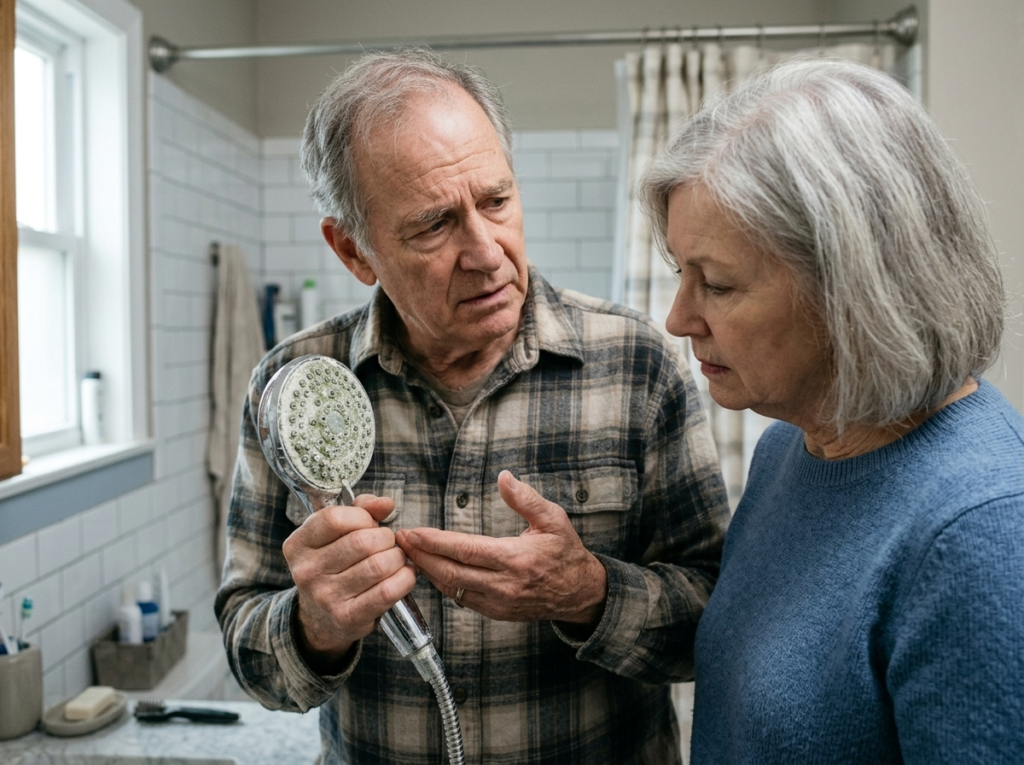
White, crusty deposits forming around faucet aerators, showerheads, and fixture bases over time.
WATER SPOTS
Persistent cloudy spots or mineral film remaining on glassware, dishware, and glass shower doors after drying.
LESS SOAP LATHER
Soaps, shampoos, and detergents requiring more effort or product to create a rich lather in daily use.
CHALKY RESIDUE
A fine film left behind on bathtub surfaces, sinks, or tile surrounds following routine washing.
A Water Softener Designed Around Your Home
Water softeners are designed to reduce the minerals associated with hard water. For many households, that can mean a few everyday differences:
- Less mineral buildup
- Cleaner-looking fixtures
- A different feel when washing
- Potentially easier cleaning
- A better everyday water experience
An Honest Look
Do You Really Need a Water Softener?
Not every household has the same water conditions or needs, and we’d rather help you figure out what’s actually right for your home than assume you need something new.
- Visible mineral buildup
- Water spots
- Household preferences
- Existing plumbing equipment
- Local water conditions
- Condition of your current system
Professional advice can help determine whether a water softener is appropriate for your specific situation.

Professional Help
A Clear, No-Pressure Process
We don’t recommend installation until suitability has been established. Here’s how the conversation typically goes:
01
Understand
Discuss your water concerns and existing setup.
02
Assess
Consider the plumbing and water softening requirements.
03
Recommend
Explain appropriate options and next steps.
Why Last Plumbing
Local Experience. Personal Service.
EST. 1982
Over 40 Years In Business
2ND GENERATION
Family Owned & Operated
LOCAL
Professional
FAQs
Gas Line Service FAQs
OTHER DEDICATED SERVICES
Ready to Learn More About Your Water?
If you’re dealing with hard water or considering a water softener for your home, Last Plumbing can help you understand your options.